



For a lot of older generations, paying for cleaning help was often framed as a luxury.
It sounded like something extra. Something optional. Something you did only if you had a very large house, a very high income, or a lifestyle that looked polished from the outside. But Gen Z tends to look at the same choice through a different lens. For many younger adults, the question is not whether cleaning help feels fancy. The question is whether doing everything alone is actually the best use of their time and energy.
That shift matters.
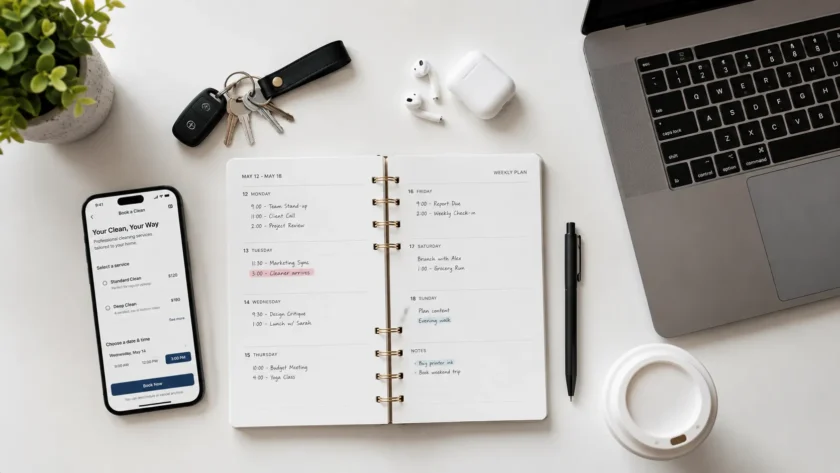
Gen Z came into adulthood during a period shaped by burnout, rising costs, unstable routines, remote work, side hustles, and constant digital overload. In that kind of environment, people often become more protective of their free time. They start asking whether a task needs to be done by them personally or whether it is one of those things that can be simplified, shared, or outsourced.
That is where attitudes around cleaning help have changed.
It is less about status and more about function.
For Gen Z, Convenience Often Means Survival, Not Indulgence
A lot of younger adults are juggling more than one kind of workload at once.
They may have a full time job, freelance projects, long commutes, social obligations, digital fatigue, and financial pressure all happening at the same time. Even people who live in smaller apartments or shared spaces can still feel overwhelmed by the day to day effort required to stay on top of laundry, dishes, bathrooms, floors, and all the little tasks that never seem fully done.
This is one reason cleaning help feels different now.
When life already feels crowded, paying for support can feel less like a splurge and more like buying back a little stability. It can mean not spending a whole Sunday trying to reset the apartment before Monday. It can mean not living in the background stress of half finished chores for another week. It can mean keeping the home functional without using every free hour to make that happen.
That is not laziness.
It is a different calculation about what time is worth.
The Mental Load Is Part of the Problem
Cleaning is not only physical work.
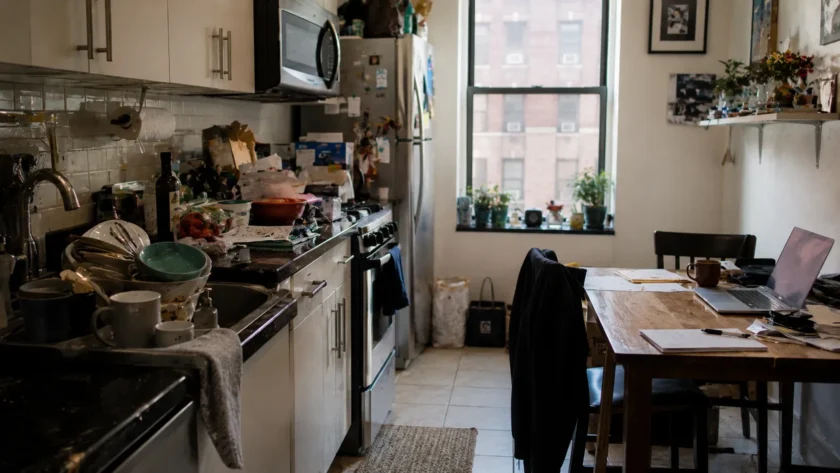
It is also planning, remembering, noticing, deciding, and carrying the weight of everything that has not been done yet. For Gen Z, that mental load often sits on top of a life that already feels very full. The stress does not always come from one giant mess. It often comes from the constant background awareness of dishes, clutter, laundry, dusty corners, and a bathroom that needs attention.
That kind of unfinished home stress is exhausting.
It follows people through the week. They notice it while trying to relax, while working from home, while getting ready to go out, and while thinking about what they should be doing instead of resting. A cleaner space can reduce that noise, which is one reason cleaning support feels more practical than indulgent.
For a generation that talks openly about burnout and mental overload, this makes perfect sense.
The state of a home affects how manageable life feels.
Near the top of that conversation, it helps to look at a real review of Homeaglow because it frames cleaning support in a way that feels more realistic than aspirational. It is less about creating a perfect home and more about reducing the strain of trying to do every single thing yourself.
Gen Z Is More Likely to Question Old Assumptions

Another reason this attitude is changing is that Gen Z tends to be more skeptical of old ideas about what people are “supposed” to do themselves.
They are more likely to ask why a task has to stay manual, why an exhausting routine is treated as normal, or why outsourcing something useful should automatically be judged as wasteful. In many cases, they simply do not accept that struggling through every life task alone is some kind of virtue.
That changes how cleaning is viewed.
Instead of seeing cleaning help as something only wealthy or image conscious people would use, Gen Z is more likely to see it as one tool among many. Just like grocery delivery, telehealth, remote banking, or meal kits, it fits into a broader desire for systems that reduce friction.
This is not about avoiding adulthood.
In many ways, it is about trying to make adulthood sustainable.
Small Spaces Still Create Big Stress

One common misconception is that cleaning help only makes sense in large homes.
But many Gen Z adults live in apartments, shared housing, or smaller starter spaces. Those homes may have less square footage, but they can still become stressful very quickly. In fact, smaller spaces often feel messy faster because there is less room for clutter to hide. One pile of laundry, one sink of dishes, or one crowded surface can change how the whole place feels.
That makes cleaning support surprisingly relevant.
When your home is also your office, your recharge space, your social space, and the place where you are supposed to recover from the week, upkeep matters more than people think. A small apartment that feels clean and manageable can make life feel calmer. A small apartment that feels behind can make everything feel tighter.
So no, this is not only a suburban family home conversation.
It makes just as much sense for younger adults in compact spaces.
Time Is Now One of the Most Valuable Resources
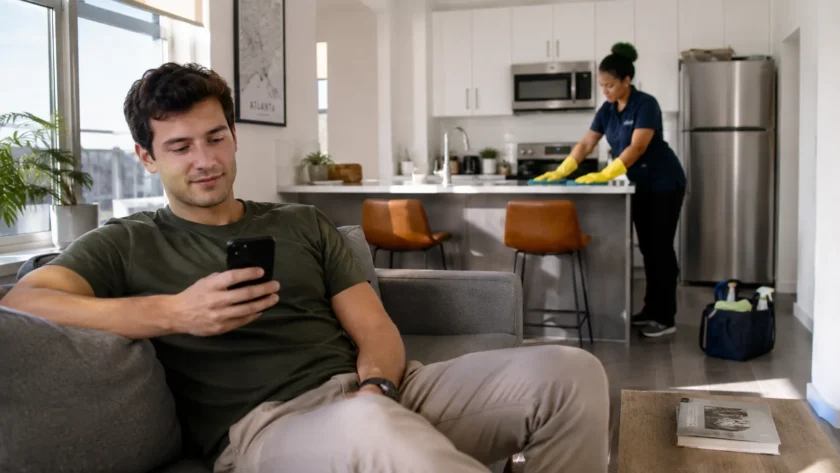
Gen Z has grown up in a culture where time feels constantly under pressure.
People are working, scrolling, replying, commuting, managing appointments, maintaining friendships, and trying to rest all inside the same week. The result is that time itself feels more precious, and more fragile, than it did in older models of adult life.
That affects spending decisions.
A lot of younger adults are willing to pay for things that remove repetitive friction, especially if those things give them back time they can use for rest, relationships, or simply staying sane. In that framework, cleaning help starts to make sense in the same category as any other tool that protects bandwidth.
The key point is not that everyone needs to pay for it.
The point is that more people now see why someone would.
Burnout Changed the Way Home Tasks Are Viewed
Burnout has changed how many younger adults think about ordinary life maintenance.
There is less admiration for constantly pushing through. Less belief that doing everything yourself is always the most responsible choice. More awareness that exhaustion changes how people function, how they relate to their home, and how much energy they have left for things that matter to them.
That shift matters here.
When people are already overextended, home tasks stop being neutral. They become one more drain. The choice to get help becomes less about avoiding effort and more about protecting capacity. A cleaned kitchen, bathroom, or living space can reduce the feeling that life is always one step behind.
Gen Z tends to understand that tradeoff quickly.
They are not just paying for cleanliness. They are paying for relief.
Cleaning Help Fits a Systems Mindset
Another reason the idea resonates is that many younger adults think in systems.
They want routines that work. Apps that make sense. Processes that reduce repetition. Habits that are realistic enough to maintain. Cleaning help fits into that mindset because it is not necessarily treated as a one time indulgence. It can be part of a broader strategy to keep life from becoming constant catch up.
Maybe someone still does the daily tidying themselves.
Maybe they still handle dishes, laundry, and clutter. But they bring in help for the deeper reset that keeps getting pushed off. That is a very different way of looking at the service. It is not replacing all responsibility. It is supporting the part of life that keeps falling apart under pressure.
That feels modern because it is practical.
And practicality is a big part of why Gen Z sees it differently.
The Stigma Is Weaker Than It Used to Be
Older views around cleaning help were often loaded with judgment.
People were expected to do it all, especially at home, and outsourcing could be treated like laziness or unnecessary spending. That stigma has weakened. Younger adults tend to be more open about needing help, more comfortable paying for convenience, and less interested in pretending they can handle every part of life equally well at all times.
That cultural shift is important.
It makes it easier to talk honestly about the fact that some chores are draining, some seasons are overwhelming, and some supports genuinely improve daily life. Once that honesty enters the picture, the conversation changes. Cleaning help becomes less about image and more about function.
That is a healthier conversation.
Because it reflects how people actually live now.
Final Thoughts
Gen Z sees cleaning help as a time management tool, not a luxury, because the pressures of modern life make time, mental space, and energy feel more valuable than ever.
For many younger adults, the question is not whether they are capable of cleaning their own place. Of course they are. The real question is whether doing every single task themselves is the best use of the little free time they have. In a world shaped by burnout, digital overload, smaller spaces, and constant pressure, that answer is often no.
And that is why the attitude has shifted.
Cleaning help is less about indulgence and more about creating a home that feels manageable. For Gen Z, that makes it easier to justify, easier to understand, and much harder to dismiss as something frivolous.
Comments are closed.