



Gen Z media consumption is different from what their parents did. They don’t read newspapers. And they definitely don’t wait for anything.
This generation consumes media faster, shorter, and more selectively than any generation before them. They’ll binge-watch an entire series in a weekend, then scroll TikTok for three hours without watching a single video longer than 60 seconds.
Their media habits confuse older generations. Why won’t they sit through a two-hour movie? Why do they get their news from Instagram? And how can they possibly focus with 47 tabs open?
In this guide, I’ll break down exactly what Gen Z watches, reads, and scrolls. You’ll learn which platforms dominate their time, why their attention spans work differently, and how media companies are desperately trying to keep up.
Who Is Gen Z in the Media Landscape

Gen Z includes anyone born between 1997 and 2012. They’re currently 13 to 28 years old in 2025.
This is the first generation that never knew life before streaming services, on-demand content, and algorithm-driven feeds. They can’t imagine waiting a week for the next episode of a show.
Gen Z grew up with smartphones in their hands. They learned to navigate YouTube before they learned to read. TikTok’s algorithm understands them better than their parents do.
Traditional media—cable TV, newspapers, radio—barely registers for this generation. If it’s not digital, on-demand, and personalized, Gen Z isn’t interested.
Their media consumption shapes culture, drives trends, and decides what succeeds or fails. Understanding Gen Z media habits isn’t just interesting—it’s essential for anyone creating content.
What Gen Z Watches

Gen Z watches a lot of video content. But “watching” looks completely different than it did 20 years ago.
Streaming services dominate everything
Cable TV is dead to Gen Z. They don’t understand the concept of scheduled programming. Why would you watch something at a specific time when you can watch it whenever you want?
Netflix, Hulu, Disney+, HBO Max—these are where Gen Z watches shows and movies. But they’re picky. They’ll abandon a show in the first five minutes if it doesn’t hook them.
Binge-watching is the default mode. Gen Z will watch an entire season in one sitting. Then they’ll complain there’s nothing to watch even though thousands of shows exist.
YouTube is bigger than you think
For Gen Z, YouTube isn’t just a video platform—it’s a lifestyle. They watch YouTube more than any streaming service.
What they watch on YouTube:
- Commentary channels and video essays
- Gaming content and streamers
- Tutorials and how-to videos
- Vlogs and lifestyle content
- Music videos and performances
YouTube serves every possible interest. Whether you’re into niche hobbies, true crime, or makeup tutorials, there’s a creator for you.
Gen Z also uses YouTube as a search engine. Instead of Googling “how to fix a bike,” they search YouTube for a video tutorial.
TikTok changed everything
TikTok isn’t just an app—it’s Gen Z’s primary entertainment source. They spend hours scrolling through 15 to 60-second videos.
The algorithm is scary good. It learns what you like in minutes and feeds you endless content that matches your exact interests.
Gen Z doesn’t just passively watch TikTok. They participate. They learn dances, recreate trends, and create their own content. It’s interactive in a way TV never was.
Short-form content wins
Gen Z’s attention span isn’t short—it’s selective. If content is boring, they leave. If it’s good, they’ll watch for hours.
But they prefer content that gets to the point fast. A 10-minute YouTube video needs to hook them in the first 30 seconds. A TikTok needs to hook them in three seconds.
Long-form content still works, but only if it’s really good. Gen Z will watch a two-hour video essay about a topic they care about. But they’ll skip a 30-second ad instantly.
They watch with subtitles always
Gen Z watches everything with captions on. Even if the audio is perfectly fine.
Why? Because they often watch with the sound off in public. Because subtitles help them process information faster. Because they’re used to reading text on screens constantly.
This habit frustrates older generations who see subtitles as distracting. But for Gen Z, subtitles are essential.
Traditional TV barely exists
Gen Z doesn’t watch the news on TV. They don’t watch sitcoms at 8 PM on Thursdays. They don’t sit through commercials.
Live TV only matters for sports and major events. Otherwise, everything is on-demand. And even sports, they’re increasingly watching through streaming services or highlight clips on social media.
Cable companies are dying because Gen Z refuses to pay for hundreds of channels they’ll never watch.
What Gen Z Reads
“Gen Z doesn’t read” is the stereotype. But that’s not entirely true. They read differently than previous generations.
They read captions and short-form text constantly
Gen Z reads all day long. Just not books or articles.
They read Instagram captions, TikTok comments, Twitter threads, Reddit posts, text messages, and Discord chats. They’re reading constantly—just in bite-sized chunks.
A well-written Instagram caption gets more engagement than a 2,000-word blog post. A clever tweet spreads faster than a newspaper article.
Gen Z’s reading is social, visual, and rapid-fire. Long paragraphs feel exhausting. Bulleted lists and short sentences work better.
News comes from social media
Gen Z doesn’t read newspapers or visit news websites directly. They get their news from Instagram, TikTok, and Twitter.
News outlets post stories on social media, and Gen Z reads the headline or watches a 60-second summary. If they want more, they might click through. Usually, they don’t.
This creates problems. Gen Z is informed, but their information is fragmented. They know the headlines but miss the details.
They also struggle to identify credible sources. A viral TikTok feels as legitimate as a New York Times article. Media literacy is a real issue.
They read Reddit for real information
When Gen Z wants in-depth information, they often go to Reddit. It’s where real people share experiences, recommendations, and advice.
Want to know if a product is worth buying? Check Reddit. Need travel tips? Reddit. Wondering if that news story is real? Someone on Reddit will fact-check it.
Gen Z trusts peer reviews and community knowledge more than traditional media. Reddit gives them both.
Books? It’s complicated
Gen Z reads fewer books than previous generations. But it’s not because they hate reading—it’s because they have a million other entertainment options.
When Gen Z does read books, it’s usually young adult fiction, fantasy, romance, or graphic novels. BookTok (book TikTok) drives reading trends more than bestseller lists.
If a book goes viral on TikTok, Gen Z will read it. Otherwise, it’s competing with Netflix, YouTube, and video games. Books usually lose that fight.
They skim everything
Gen Z doesn’t read linearly. They skim for the important parts.
Bolded text, headers, and bullet points catch their attention. Dense paragraphs get skipped. If they can’t scan it quickly, they won’t read it at all.
This isn’t laziness—it’s efficiency. Gen Z processes massive amounts of information daily. Skimming is a survival skill.
Email is basically unread
Gen Z hates email. It feels slow, formal, and outdated.
They have thousands of unread emails. They ignore promotional messages entirely. Important emails get buried under junk.
If you want to reach Gen Z, don’t email them. Text them, DM them, or use whatever messaging app they prefer.
What Gen Z Scrolls
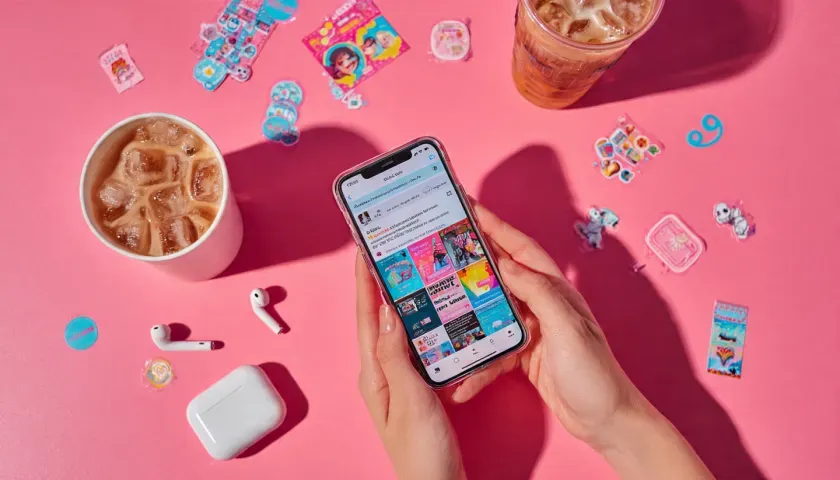
Scrolling is Gen Z’s default activity. They scroll on the couch, in bed, while walking, during conversations, and even while watching TV.
TikTok: The infinite scroll
TikTok’s “For You Page” is digital crack. The algorithm feeds you an endless stream of content tailored exactly to your interests.
You open TikTok to check one thing and suddenly it’s been an hour. Gen Z knows this is a problem. They still can’t stop.
The infinite scroll keeps them hooked. There’s always one more video. And that next video might be the funniest, most interesting, or most relatable thing they’ve ever seen.
Instagram: The highlight reel
Instagram is where Gen Z curates their life. They post carefully chosen photos, aesthetic stories, and polished Reels.
But they also scroll endlessly. They check their friends’ stories, watch Reels, and disappear into Explore pages.
Instagram also has finstas (fake Instagrams)—private accounts where Gen Z posts real, unfiltered content for close friends only. Public Instagram is the highlight reel. Finstas are the reality.
Twitter/X: The chaos zone
Gen Z uses Twitter (or X, but most still call it Twitter) for memes, commentary, and real-time reactions to events.
Twitter is where jokes are born. It’s also where drama unfolds and cancel culture thrives. Gen Z scrolls Twitter to stay in the loop on what’s happening.
But Twitter can be toxic. Gen Z knows this. They scroll anyway because FOMO is real.
Reddit: The information hub
Reddit is Gen Z’s search engine for honest opinions and niche communities.
They scroll subreddits about their specific interests—whether that’s skincare, video games, anime, stocks, or literally anything else.
Reddit feels more authentic than other platforms because it’s less about personal branding and more about community discussion.
Snapchat: Still alive (barely)
Snapchat is where Gen Z messages friends and maintains streaks (daily back-and-forth snaps to keep a streak count going).
It’s not as dominant as it used to be, but Gen Z still uses it for private communication. It’s less public than Instagram and more visual than texting.
YouTube Shorts: TikTok’s competitor
YouTube launched Shorts to compete with TikTok. Gen Z scrolls through them, but TikTok’s algorithm is still better.
Shorts feel like TikTok lite. They work, but they’re not as addictive. Gen Z uses Shorts when they’re already on YouTube, but they don’t seek them out.
BeReal: The anti-Instagram
BeReal tries to be authentic. It sends one notification per day, and you have two minutes to post a photo of what you’re doing right then.
Some Gen Z users love it because it’s unfiltered. Others abandoned it because it’s boring. The jury’s still out on whether BeReal has staying power.
Pinterest: The visual search engine
Gen Z uses Pinterest differently than Millennials. They search for outfit ideas, room decor, recipes, and aesthetic inspiration.
It’s less social and more functional. They scroll Pinterest like a visual Google, saving ideas for later.
Why Gen Z Has These Media Habits
Gen Z’s media consumption didn’t happen randomly. Specific factors shaped how they watch, read, and scroll.
Algorithms trained their brains
Gen Z grew up with algorithms deciding what they see. TikTok, YouTube, Instagram—all use AI to show content that keeps users engaged.
This trained Gen Z to expect personalized content. If something doesn’t match their interests immediately, they move on. Why waste time on irrelevant content when the algorithm can serve exactly what you want?
Everything competes for attention
Gen Z has infinite entertainment options. Netflix, YouTube, TikTok, video games, social media, podcasts—all competing for their time.
To win their attention, content must hook them fast. The first three seconds determine if they stay or scroll.
This isn’t a short attention span—it’s high standards. Gen Z won’t waste time on mediocre content when something better is one swipe away.
They value efficiency
Gen Z wants information fast. Why read a 1,000-word article when a TikTok explains it in 60 seconds?
They don’t see this as lazy—they see it as smart. Why spend more time than necessary on something?
This efficiency mindset shapes all their media habits. Skimming instead of reading. Watching at 2x speed. Skipping intros. Getting to the point.
Social media is their community

For Gen Z, social media isn’t just entertainment—it’s how they connect with people.
They find communities around niche interests on Reddit, Discord, and TikTok. They maintain friendships through Instagram and Snapchat. They discover new music, fashion, and ideas through their feeds.
Scrolling isn’t wasted time—it’s social engagement.
FOMO drives constant checking
Gen Z is terrified of missing out. What if something important happened? What if there’s a trend they’re not part of?
This fear keeps them scrolling. They check their phones constantly to stay updated. Being out of the loop feels worse than being glued to their screens.
How Gen Z Differs From Other Generations
Gen Z’s media habits are wildly different from Boomers, Gen X, and even Millennials.
Boomers: Traditional media loyalists
Boomers still watch cable TV, read newspapers, and listen to radio. They prefer scheduled programming and physical media.
They see Gen Z’s media habits as distracted and shallow. Gen Z sees Boomer habits as outdated and slow.
Gen X: The bridge generation
Gen X adapted to digital media but still remembers life before it. They use streaming services but might still have cable. They’re on Facebook but don’t understand TikTok.
Gen X is comfortable with technology but didn’t grow up digital. Their media consumption is a mix of old and new.
Millennials: Digital pioneers
Millennials embraced social media first. They invented Facebook culture, YouTube vlogs, and Instagram influencers.
But Millennials still consume long-form content. They’ll read articles, watch full movies, and listen to hour-long podcasts. Gen Z’s ultra-short content feels too fragmented to them.
Gen Alpha: Even shorter attention spans
Gen Alpha (born 2013 and later) is growing up with even more digital saturation than Gen Z.
They’re watching YouTube Kids before they can talk. They expect touchscreens and instant content. Gen Alpha’s media habits will likely make Gen Z look patient by comparison.
The Bottom Line
Gen Z media habits are defined by speed, personalization, and platform diversity. They don’t watch TV—they stream on-demand. They don’t read newspapers—they scroll social media. They don’t wait for anything.
Their viewing preferences lean heavily toward short-form video content. TikTok and YouTube dominate their screen time. Netflix and other streaming services get binge-watched when something hooks them.
Their reading habits are fragmented. They consume text constantly through captions, comments, and threads—just not through books or traditional articles. News comes from social feeds, not news sites.
Their scrolling behavior is driven by algorithms that know exactly what keeps them engaged. They’ll spend hours on TikTok, Instagram, and Reddit without realizing how much time passed.
These habits aren’t worse than previous generations—they’re different. Gen Z is responding to a media landscape that’s fundamentally transformed. They’re efficient, selective, and incredibly good at filtering through massive amounts of content.
Understanding Gen Z media habits is essential for content creators, marketers, educators, and parents. If you want to reach this generation, you need to meet them where they are—on their phones, scrolling their feeds, watching content that gets to the point in three seconds or less.
Creating content for Gen Z? Make it short, make it visual, make it authentic, and for the love of everything, make it fast.