



Gen X and Gen Z couldn’t be more different if they tried. One generation grew up with MTV and dial-up internet. The other grew up with TikTok and smartphones glued to their hands.
These two generations are now working side by side, and the friction is real. Gen X managers don’t understand why their Gen Z employees need mental health days. Gen Z workers don’t understand why their Gen X bosses won’t let them work remotely.
But here’s what’s interesting: both generations have something valuable to offer. Gen X brings resilience and independence. Gen Z brings innovation and social awareness.
In this guide, I’ll break down the biggest cultural, social, and workplace differences between Gen X and Gen Z. You’ll learn why these gaps exist, where the tensions come from, and how both generations can actually learn from each other.
Who Is Gen X?

Gen X includes anyone born between 1965 and 1980. They’re currently 45 to 60 years old in 2025.
This generation got nicknamed the “latchkey kids” because many came home to empty houses. Both parents worked, so Gen X learned to fend for themselves from an early age.
They grew up during the Cold War, watched the Berlin Wall fall, and witnessed the birth of personal computers. They’re the bridge between the analog world and the digital age.
Key Gen X traits: Independent, skeptical, self-reliant, pragmatic, and low-maintenance.
Who Is Gen Z?
Gen Z includes anyone born between 1997 and 2012. They’re currently 13 to 28 years old in 2025.
This is the first generation that never knew life without the internet. They learned to swipe before they learned to write. Social media isn’t something new—it’s just reality.
Gen Z grew up during the Great Recession, school shooting drills, political chaos, and the COVID-19 pandemic. They learned early that the world is unpredictable and often scary.
Key Gen Z traits: Digital-first, socially conscious, authentic, entrepreneurial, and vocal about mental health.
Cultural Differences: How They See the World

The way Gen X and Gen Z view culture is wildly different. And it’s not just about age—it’s about the worlds they grew up in.
Gen X: The Cynical Realists
Gen X doesn’t trust institutions. They watched companies downsize their parents. They saw politicians lie. They learned that loyalty doesn’t guarantee security.
This generation values authenticity, but in a different way than Gen Z. Gen X authenticity means being real without broadcasting it. They don’t need to share every thought online.
Gen Xers are cultural consumers, not creators in the same way Gen Z is. They watched MTV, went to concerts, and read magazines. Culture was something made by professionals and consumed by everyone else.
Gen Z: The Purpose-Driven Creators
Gen Z doesn’t just consume culture—they create it. Every Gen Z kid with a phone is a potential content creator, influencer, or brand.
This generation demands purpose and meaning. They want to know why things matter. “Because I said so” doesn’t fly with Gen Z. They need context and transparency.
Gen Z is also comfortable with constant change. They switch platforms, trends, and interests rapidly. What’s cool today might be cringe tomorrow, and they’re fine with that.
The clash: Sincerity vs. Irony
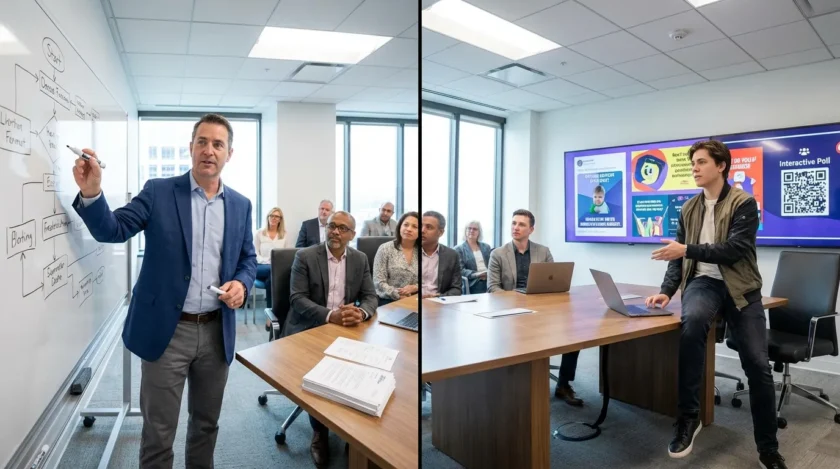
Gen X communicates through irony and sarcasm. It’s their defense mechanism. They don’t take things too seriously because taking things seriously means getting hurt.
Gen Z took that irony and flipped it. They’re ironically sincere. They’ll post something heartfelt, then immediately undercut it with a joke. But the heartfelt part was still real.
This creates confusion. Gen X thinks Gen Z is too earnest. Gen Z thinks Gen X is too detached. Both are partly right.
Social Differences: Connection and Community
How these generations build relationships and communities is completely different.
Gen X: Small Circles and Privacy
Gen X keeps their social circles small. They have a few close friends they’ve known for decades. They don’t need hundreds of acquaintances.
Privacy matters to Gen X. They don’t share every life detail publicly. Their personal lives are personal. Social media feels performative and exhausting to many Gen Xers.
When Gen X hangs out, they actually hang out. Face-to-face time matters. A text isn’t the same as grabbing coffee or watching a game together.
Gen Z: Digital Communities and Oversharing
Gen Z builds communities online just as easily as in person. They have Discord servers with people they’ve never met in real life. And those friendships feel just as real.
This generation grew up sharing everything. They post their thoughts, feelings, outfits, and meals. Privacy looks different to them—it’s about controlling who sees what, not about hiding.
Gen Z also values representation and inclusion in ways previous generations didn’t prioritize. They notice when groups are left out. They speak up when things feel unfair.
The clash: Boundaries and openness
Gen X thinks Gen Z shares too much. Why does everyone need to know you’re having a bad day? Why post about your therapy session?
Gen Z thinks Gen X is emotionally closed off. Why won’t you talk about your feelings? Why is asking for help seen as weakness?
Neither is wrong. They just have different comfort zones around vulnerability and sharing.
Mental health: The biggest divide

Gen X was taught to tough it out. Stress? Deal with it. Struggling? Push through. Asking for help meant you were weak.
Gen Z normalized mental health conversations. Therapy isn’t shameful—it’s self-care. Mental health days are legitimate. Burnout is real and should be addressed.
This creates tension. Gen X managers sometimes see Gen Z’s mental health needs as excuses. Gen Z employees see Gen X’s push-through mentality as toxic.
The reality? Both approaches have merit. Gen X’s resilience is valuable. Gen Z’s openness about struggle is healthy. The sweet spot is somewhere in the middle.
Workplace Differences: The Nine-to-Five Conflict
This is where Gen X and Gen Z clash the most. The workplace expectations are completely different.
Gen X: Pay Your Dues
Gen X entered the workforce when loyalty mattered. You started at the bottom, worked your way up, and earned your spot. Nobody handed you anything.
This generation values face time. Showing up matters. Being the first one in and the last one out proves your commitment. Remote work feels like slacking to many Gen Xers.
Gen X is also direct in communication. They prefer email or quick conversations. They don’t need emojis or excessive explanation. Just tell them what you need.
Gen Z: Flexibility and Purpose
Gen Z doesn’t believe in paying dues just because. They want to know why the work matters and how it contributes to something bigger.
This generation expects flexibility. Remote work isn’t a perk—it’s standard. They judge jobs on work-life balance, not just salary. Burnout culture is a dealbreaker.
Gen Z communicates fast and informally. Slack messages, quick check-ins, and collaborative tools feel natural. Long email chains feel inefficient and outdated.
The clash: Loyalty vs. Growth
Gen X stayed with companies for years. Job hopping looked bad on a resume. You proved yourself through longevity.
Gen Z switches jobs every 2-3 years. They’re not disloyal—they’re strategic. If a company isn’t investing in their growth, they leave. Staying put feels like stagnation.
Gen X sees this as entitled. Gen Z sees Gen X’s loyalty as settling. The truth is that the job market changed. What worked in 1995 doesn’t work in 2025.
Feedback: Constant vs. Annual
Gen X is fine with annual performance reviews. You do your job, and once a year, you hear how you’re doing. No news is good news.
Gen Z needs regular feedback. They want to know how they’re doing in real time. Waiting a year to find out you’re off track feels cruel and inefficient.
This isn’t weakness—it’s a different learning style. Gen Z grew up with instant feedback through games, apps, and social media. They’re wired for it.
Technology: Tools vs. Identity
Gen X learned technology as a tool. Email made work easier. Computers increased productivity. Technology serves a function.
Gen Z doesn’t separate technology from life. It’s not a tool—it’s how they exist. Asking Gen Z to put their phone away is like asking Gen X to stop using their brain.
In the workplace, this means Gen Z adopts new platforms faster. They’re comfortable with AI tools, automation, and digital collaboration. Gen X might need more time to adjust.
Where Gen X and Gen Z Can Learn From Each Other
Despite the differences, these two generations have a lot to teach each other.
What Gen Z can learn from Gen X
Resilience without broadcasting it: Gen X survived recessions, downsizing, and uncertainty without posting about it. They developed grit quietly. Gen Z can benefit from building that internal strength.
Independence and self-reliance: Gen X figured things out on their own. They didn’t need constant validation or hand-holding. This skill is valuable, especially when external support isn’t available.
Healthy skepticism: Gen X questions everything. They don’t believe hype or trust blindly. This critical thinking protects against scams, manipulation, and false promises.
Work-life boundaries: Gen X knows how to leave work at work. They don’t check email at midnight or feel guilty for having personal time. Gen Z’s always-on culture could use this balance.
What Gen X can learn from Gen Z
Openness about mental health: Gen Z normalized talking about anxiety, depression, and burnout. This isn’t weakness—it’s preventative care. Gen X could benefit from this honesty.
Embracing change quickly: Gen Z adapts to new platforms, tools, and trends without resistance. They’re comfortable with constant evolution. This agility is essential in modern work environments.
Demanding better workplace conditions: Gen Z doesn’t accept toxic cultures or exploitation. They speak up about unfair treatment. This benefits everyone, including Gen X workers who stayed silent.
Using technology effectively: Gen Z knows how to automate tasks, collaborate digitally, and work smarter. Gen X can learn these efficiencies to make their own work easier.
Finding common ground
Both generations value authenticity—they just express it differently. Both want meaningful work—they just define it differently. Both care about work-life balance—they just achieve it differently.
The key is recognizing that different doesn’t mean wrong. Gen X’s independence and Gen Z’s community focus can coexist. Gen X’s resilience and Gen Z’s vulnerability can both be strengths.
Bridging the Generational Gap
So how do Gen X and Gen Z actually work together without constant friction?
For Gen X: Meet them halfway
If you’re Gen X and managing or working with Gen Z, try these approaches:
Provide regular feedback. You don’t need formal reviews every week, but quick check-ins help Gen Z stay on track.
Explain the “why.” Don’t just assign tasks—explain how they fit into the bigger picture. Gen Z works better when they understand purpose.
Respect their mental health needs. A mental health day prevents burnout later. It’s an investment, not an indulgence.
Be open to flexibility. If the work gets done well, does it matter if they’re in the office or at home? Focus on results, not face time.
For Gen Z: Understand their perspective
If you’re Gen Z and working with or for Gen X, consider this:
They’re not closed off—they’re protective. Gen X learned not to share everything. Respect that they might not open up immediately.
Face time sometimes matters. Not because they don’t trust you, but because relationships build through in-person interaction.
They value follow-through. Gen X wants to see you finish what you start. Reliability matters more than flashy ideas.
Ask questions without judgment. Instead of assuming Gen X is outdated, ask why they do things a certain way. You might learn something valuable.
The Bottom Line
Gen X and Gen Z are two generations separated by about 20-30 years, but they might as well be from different planets. Their cultural values, social habits, and workplace expectations often clash.
Gen X values independence, privacy, and resilience. They’re skeptical, self-reliant, and don’t need constant feedback. They learned to survive by toughing it out.
Gen Z values community, transparency, and purpose. They’re digitally native, socially conscious, and vocal about their needs. They learned to thrive by speaking up.
Neither approach is better. They’re just different responses to different worlds.
The workplace gap is real—Gen X wants loyalty and face time, while Gen Z wants flexibility and growth. But these differences can be strengths when both generations are willing to learn from each other.
Gen X can teach Gen Z resilience and independence. Gen Z can teach Gen X adaptability and openness. Together, they can create workplaces that are both productive and humane.
Working across generations? Start with curiosity instead of judgment. Ask questions. Listen without assuming. And remember that every generation thinks the next one is doing it wrong—until they realize different doesn’t mean broken.